





No results available
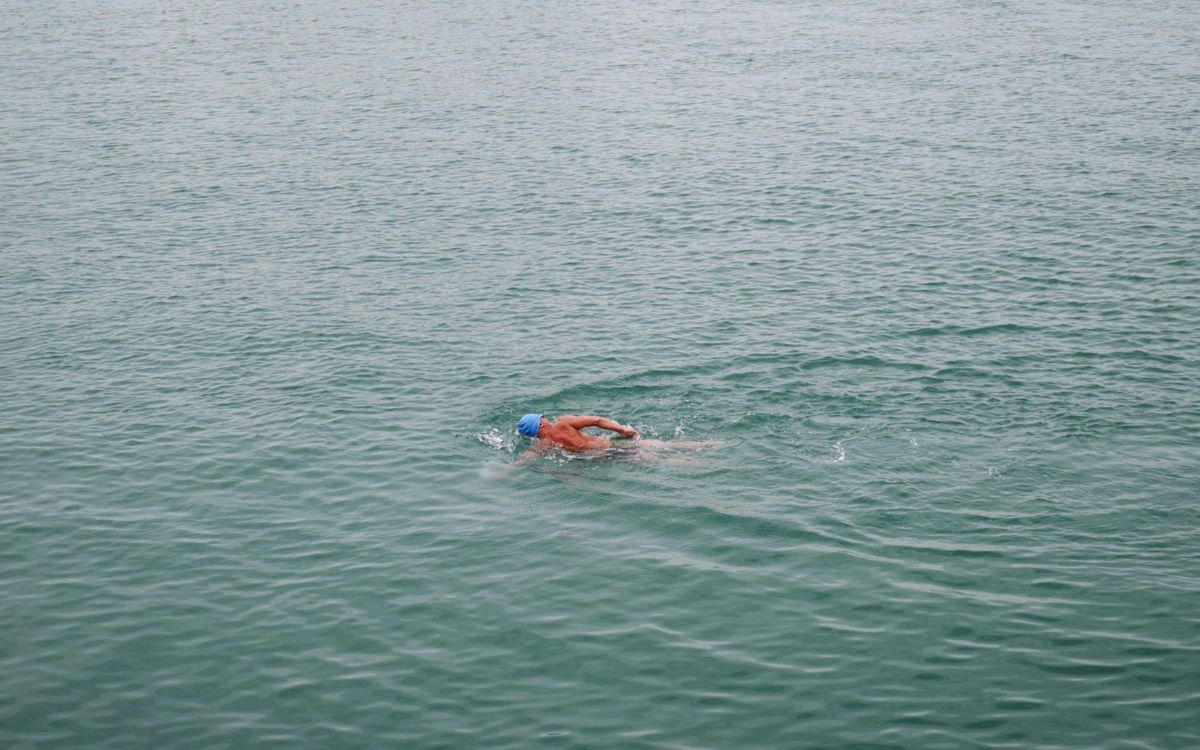
Ever jumped into a lake expecting an easy swim, only to find yourself working harder than you would in the ocean? From reduced buoyancy to the lack of a helping swell, discover why freshwater swimming can leave you feeling heavier, slower and more fatigued than expected.

Ever jumped into a lake expecting an easy swim, only to find yourself working harder than you would in the ocean? You’re not imagining it. Despite the calm, flat conditions, freshwater swimming can sometimes feel surprisingly tough, even for experienced ocean swimmers.
From reduced buoyancy to the lack of waves giving you a helping hand, there are a few reasons why swimming in a lake can leave you feeling heavier, slower and working harder than usual.
One of the biggest differences between lake and ocean swimming is buoyancy.
Saltwater is denser than freshwater, meaning it provides slightly more lift and helps your body sit higher in the water. In the ocean, this extra buoyancy can make maintaining a streamlined body position feel a little easier.
Take away the salt, and your body may sit slightly lower in the water, particularly around your hips and legs. This can increase drag and make swimming feel like more of an effort.
The difference isn’t enormous, but over a longer swim, it’s something you might notice, especially if you’re used to spending most of your time in the ocean.
Ocean swimming isn’t always about battling waves. Sometimes, the ocean works in your favour.
A following swell or favourable current can give you a little extra momentum, particularly when heading towards shore. You might find yourself catching small waves or getting an occasional push without having to work any harder.
In a lake, there’s generally no ocean swell to help you along. While wind-driven waves and currents can still occur, you’re often relying entirely on your own swimming to maintain forward momentum.
That means every metre is powered by you, which can make a flatwater swim feel surprisingly relentless.
One of the things that makes lake swimming challenging is how consistent the effort can be.
In the ocean, you might adjust your stroke to navigate waves, glide with a swell or change your rhythm as conditions shift.
In a lake, particularly on a calm day, there’s often very little variation. You’re swimming continuously, maintaining your stroke rate and generating your own momentum from start to finish.
Without those natural changes in rhythm, the effort can feel more sustained, especially if you’re racing or swimming a longer distance.
If you’ve ever finished a lake swim and wondered why your pace was slower than expected, you’re not alone.
The combination of slightly reduced buoyancy, continuous swimming and the absence of a helpful swell can make freshwater swimming feel harder.
There’s also the mental side of things. In the ocean, waves, changing conditions and the coastline provide constant reference points and distractions.
In a lake, particularly on a long straight section, it can feel like you’re swimming forever without getting anywhere.
That doesn’t necessarily mean you’re swimming poorly. It might simply be that the conditions are different from what you’re used to.
Lakes can have very different temperature profiles compared to the ocean, depending on their depth, location and the time of year.
Some lakes can be surprisingly cold, even when the air temperature is warm, while shallow lakes can heat up quickly during summer.
Cold water can make your muscles feel stiff and your breathing harder to control initially, while warmer water can make sustained efforts feel more taxing.
Either way, unfamiliar water temperatures can contribute to that feeling of working harder than expected.
The good news is that a few small adjustments can help you feel more comfortable and efficient when swapping the ocean for freshwater.
Just because a lake looks calm doesn’t mean it’s going to be an easy swim.
While you might not have waves or surf to contend with, reduced buoyancy, continuous effort and the lack of a helpful swell can make freshwater swimming feel tougher than expected.
But once you understand the differences and adjust your technique and pacing, lake swimming can be just as enjoyable and rewarding as a swim in the ocean.




No results available



Copyright © 1999-2026 oceanswims.com. All rights reserved.
‘OCEANFIT is a registered trademark of OceanFit Pty Ltd.


