If you’ve spent any time in a squad or with a coach, chances are you’ve heard the following on repeat: ‘Breathe both sides.’
Bilateral breathing has long been seen as the gold standard in freestyle technique, helping swimmers stay balanced, symmetrical, and efficient in the water.
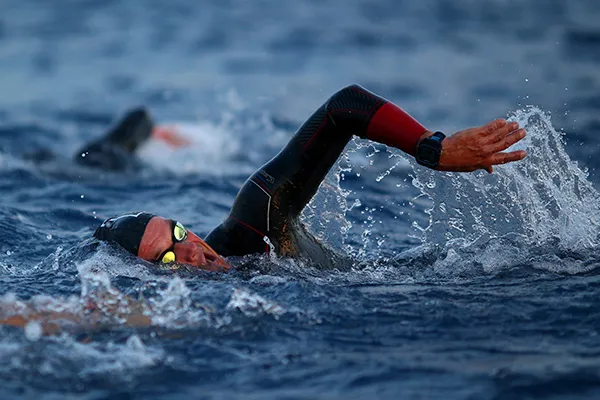
But step out of the pool and into the ocean, and things start to shift.
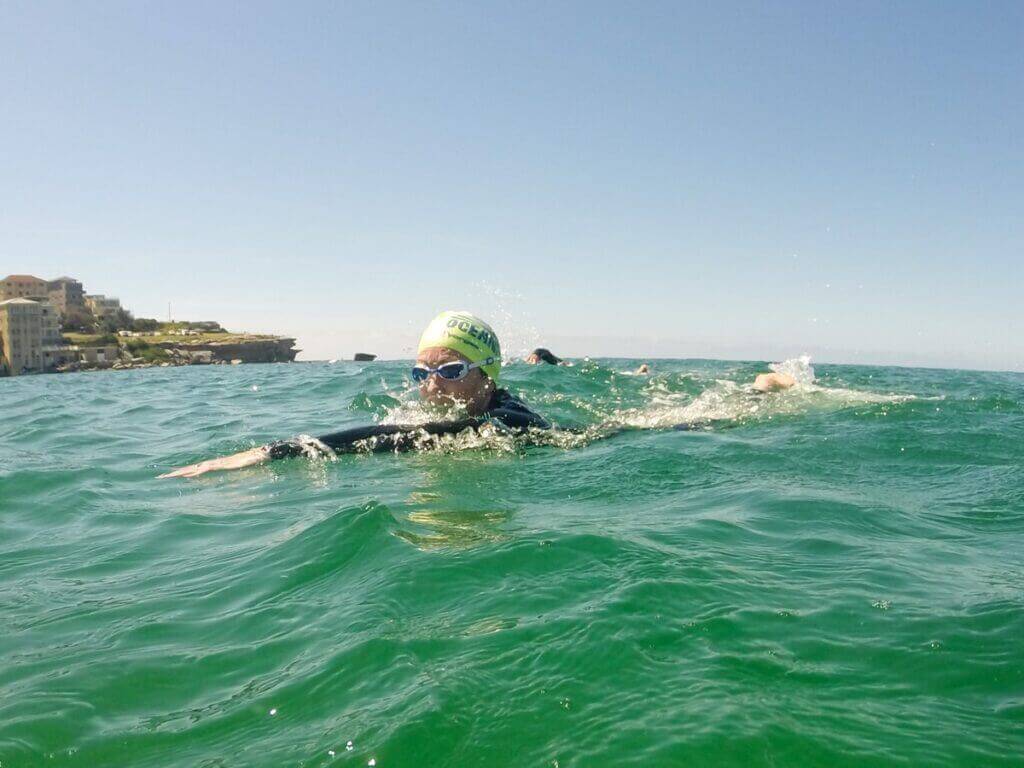
In open water, conditions aren’t controlled. The swell rolls, the chop builds, the sun blinds, and suddenly that perfectly timed every three strokes breathing pattern doesn’t always feel so perfect.
So what actually works in the ocean? Bilateral breathing, one-sided breathing, or a mix of both?
What is bilateral breathing?
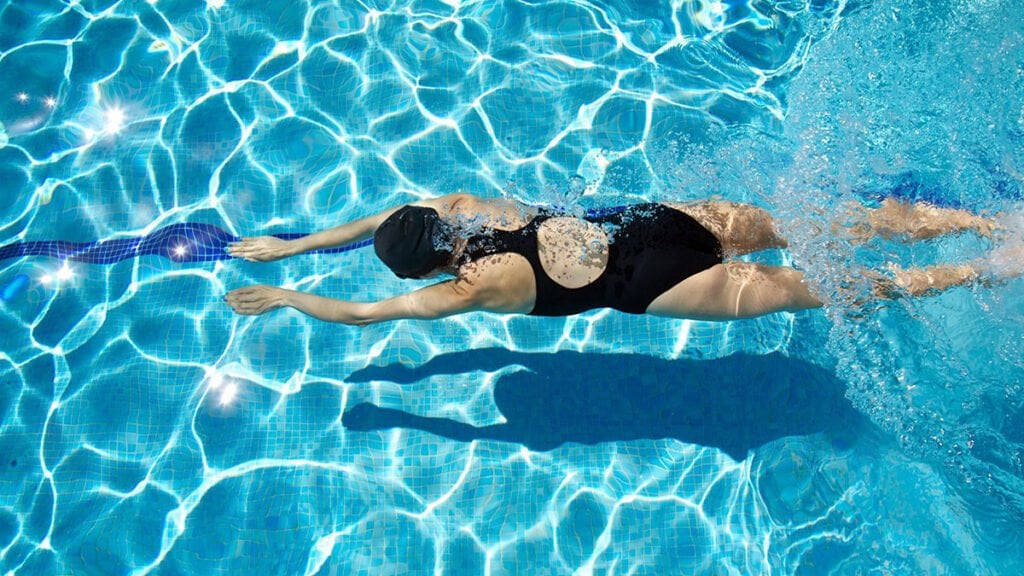
Bilateral breathing simply means breathing to both sides, most commonly every three strokes.
In the pool, it’s often used to:
- Promote stroke symmetry
- Reduce muscle imbalances
- Improve body rotation
- Build better overall technique
It’s a fantastic training tool and helps swimmers develop a more rounded stroke, and every swimmer should be able to breathe on both sides.
But unfortunately, the ocean doesn’t care about symmetry.
What is one-sided breathing?
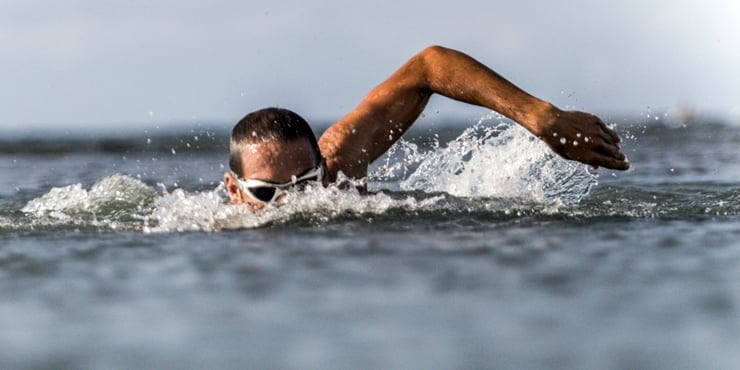
One-sided breathing (usually every two or four strokes) means sticking to your preferred side.
In the ocean, this often becomes the go-to because it allows you to:
- Get more oxygen during harder efforts
- Breathe away from the waves and chop
- Keep your eyes on competitors or landmarks
- Settle into a rhythm under pressure
It might not look as “perfect” as bilateral breathing, but many find it far more practical and comfortable when swimming.
The reality of ocean swimming
Open water swimming is dynamic. Conditions can change mid-swim, and the best breathing pattern is usually the one that helps you adapt.
Bilateral breathing works best when:
- The ocean is relatively calm and there is minimal swell and waves around
- You’re swimming at a steady, aerobic pace
- You want to stay relaxed and balanced
- You’re sighting on both sides
One-sided breathing works best when:
- There’s chop or swell on one side
- You’re pushing the pace or racing
- You need consistent oxygen
- You’re drafting or positioning in a pack
Most experienced ocean swimmers don’t strictly stick to one or the other; they switch depending on what’s happening around them.
Why the best swimmers use both
If you watch elite open water swimmers, you’ll notice something interesting: they’re not rigid.
They might breathe every two strokes to their right for most of the swim, then suddenly switch to the left when the swell changes or the sun gets in their eyes.
That’s the real skill.
Bilateral breathing isn’t just about swimming every three strokes; it’s about having the ability to breathe comfortably on either side whenever you need to.
Common mistakes
A few traps swimmers fall into when it comes to breathing in the ocean:
- Forcing bilateral breathing in rough conditions. This leads to missed breaths and panic
- Only ever breathing to one side. This limits your adaptability and can also hinder your stroke
- Lifting your head too high to breathe. This causes your hips to sink and kills your momentum
- Not practising breathing in chop can leave you exposed on race day. If you’re not comfortable handling rough water, it can lead to panic, missed breaths, and unwanted water intake, quickly derailing your initial race plan.
How to improve your breathing
The goal isn’t to pick one, it’s to build boh techniques.
Try adding this to your sessions:
Pool:
3-3-3 breathing (3 strokes left, 3 strokes right)
Descend sets switching breathing patterns
Hypoxic work (e.g. every 5 or 7 strokes)
Ocean:
Practise breathing into the chop (not just away from it)
Alternate sides every few minutes
Simulate race efforts breathing every 2 or 4
So… What breathing technique actually works?
The short answer: both.
Bilateral breathing builds control, balance, and versatility.
One-sided breathing delivers oxygen, rhythm, and race-day performance.
The swimmers who feel most comfortable in the ocean aren’t the ones with the “perfect” stroke; they’re the ones who can adapt without thinking.
Because in open water, it’s not about sticking to a rule.
It’s about reading the conditions, trusting your stroke, and breathing in a way that keeps you moving forward.




















Swimrun Australia: Sydney North